The Best of Both Worlds: Brainspotting’s East Meets West Approach to Healing
by Kaylee Bostwick
When I first heard about Brainspotting, I admit I was curious—and a little skeptical. How could something as simple as where I directed my gaze unlock deep, lasting transformation?
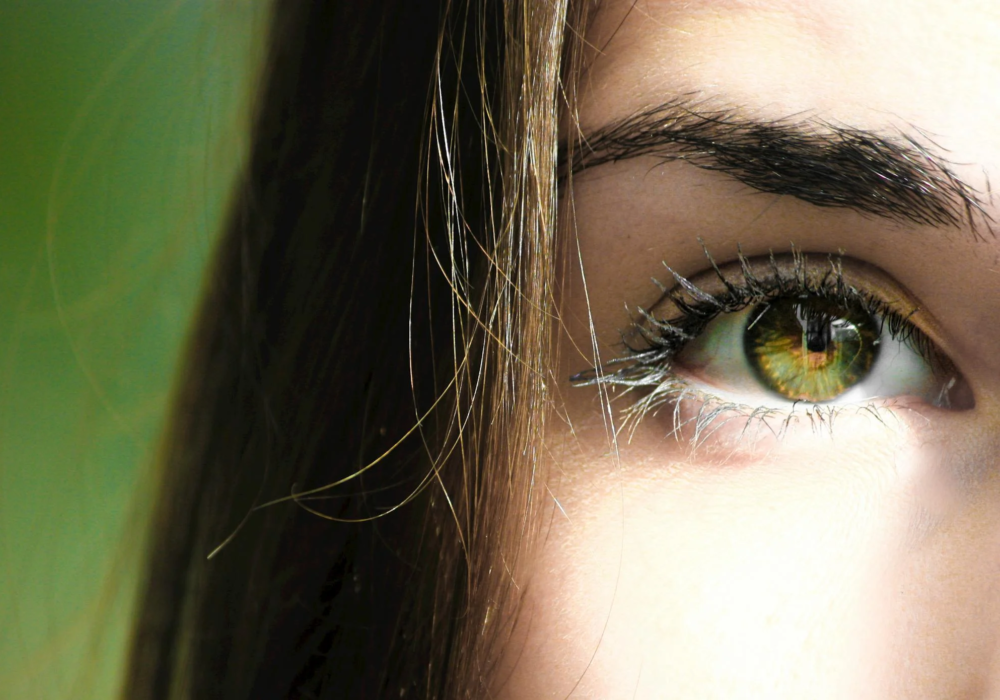
Yet, as both a mental health professional and someone drawn to the spiritual aspects of healing, Brainspotting felt like an invitation to explore the beautiful boundary where science meets soul. At its core, Brainspotting is deeply rooted in neuroscience. Created by David Grand, it operates by locating “brainspots”—specific eye positions linked to subcortical brain activity.
These spots help us process trauma, emotional barriers, and, impressively, open pathways for self-healing that go beyond words alone. As science reveals, our brains are not just thinking machines but living, evolving beings capable of healing from within.
What struck me most was how effortlessly Brainspotting integrates elements of Eastern wisdom. In many ways, it echoes what mindfulness teachers and yogis have been teaching for centuries: the body knows how to heal itself when we bring loving, nonjudgmental attention to our experiences. During sessions, we allow pain and discomfort to surface, not to fight it, but to observe and let it pass through. This “allowing” approach beautifully aligns with Buddhist and yogic teachings, creating a sacred space for transformation.
Personal Journey and Awe
My own journey with Brainspotting has involved moments of deep spiritual connection— experiences that are difficult to describe but feel undeniably meaningful. These experiences if I could describe them, remind me of my purpose and meaning for this world.
In sessions, clients often talk about feeling their bodies “come alive,” sensing subtle energy shifts, and reconnecting with awe and purpose. For some, it becomes a way to perceive what theologians call the imago Dei—creation in the image of God. To me, this is the best of both worlds: science providing the tools and spirituality offering wisdom and mystery.
I’ve seen transformations where old wounds release their hold, and clients begin to engage in dialogue—not only with their pain but with something much greater—a guiding inner presence, a sense of interconnectedness, or even the divine.
The research is also beginning to catch up, showing how spiritual experiences are rooted in ancient, subcortical parts of the brain (“the God Spot”), revealing that our capacity for awe and transcendence is deeply embedded in our biology.
Theological Resonance
For those interested in theology, Brainspotting offers rich opportunities. It does not ask us to abandon rational thought for spirituality but instead welcomes both into a meaningful dialogue.
Brainspotting’s embodied approach respects spiritual traditions that see healing as a journey toward becoming whole. Whether you interpret this as moving toward the divine Self, greater love, or cosmic consciousness, all are accepted in the Brainspotting space—without dogma or judgment.
What inspires me most is the sense of awe that emerges in the process. It is as if, by working at the intersection of neuroscience and spirituality, we finally acknowledge what both East and West have long intuited: true healing happens when we integrate body, mind, and spirit.
Each session feels like stepping into a sacred temple within the self, inviting not just relief from suffering, but the emergence of wisdom, compassion, and meaning.
The Invitation
So, if you are wondering whether healing can be both scientific and spiritual, let Brainspotting be your invitation. You don’t need to choose between Western evidence based practice and Eastern introspective wisdom—they can work together, harmoniously, for a deeper, richer experience of being human.
Together, the awe, the sense of alignment, and the transformation that can unfold—in both therapist and client—are nothing short of sacred. By blending neurobiology and spiritual insight, we are, quite simply, reuniting the fragmented parts of ourselves and coming home.
To everyone on this journey, may you find the deep healing and spiritual alignment you seek—in the best of both worlds.